Karkhana, Secunderabad Mon–Sat, 11:30 am – 5:00 pm  ·  formerly BNR Skin & Vitiligo Hospital ★ 5.0 on Practo — 10,000+ patients treated
HomeVitiligo
The vitiligo section

Vitiligo, explained properly.

White patches are the visible part. What decides your treatment is invisible: whether the disease is still spreading, how long each patch has been there, and where on the body it sits. This section covers all of it.

At a glance

Also called
Leucoderma, white patches, safed daag
Curable
No — but repigmentation is common
Main treatments
Topicals, NB-UVB, excimer, surgery
Timeline
Months, reviewed every 6–8 weeks
Surgery needs
Disease stable for 12 months
India prevalence
Among the highest in the world
What it is

An immune system that stopped recognising your pigment cells.

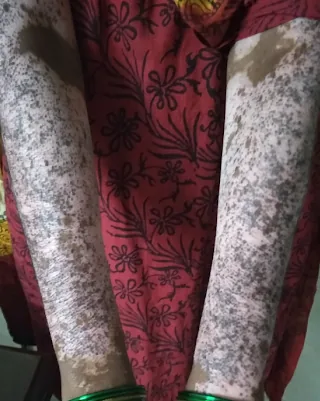
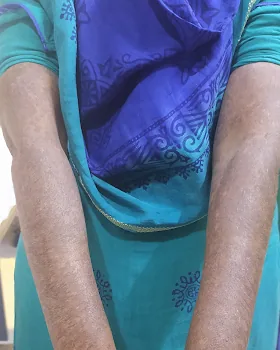
Vitiligo is an autoimmune condition. The melanocytes — the cells that make pigment — are destroyed or switched off in patches, and the skin left behind has no colour. It is not an infection, it is not caused by anything you ate, and it cannot be passed to anyone else by touch.

It affects roughly one person in a hundred worldwide, and India carries one of the highest burdens of any country. Around a fifth of patients have a close relative with it, so a family history is common without being deterministic — most children of a parent with vitiligo never develop it.

The clinically important distinction is not how big the patches are. It is whether the disease is active — still producing new patches or expanding old ones — or stable. Almost every treatment decision on this page follows from that one answer.

The two questions

What the first visit settles

Question one

Is it still spreading?

Active disease has to be stopped before anything can be rebuilt. New patches in the last six months, patches with blurred edges, or depigmentation appearing where the skin was scratched or injured all point to activity.

  • Wood’s lamp examination
  • Dated photographs of the margins
  • History of new patches in 6 months
Question two

Where is it, and for how long?

Face and neck respond best; hands, feet and lips respond least, because they have the fewest pigment reservoirs to repopulate from. Patches present for many years respond more slowly.

  • Site — face, trunk, extremities
  • Duration of each patch
  • Hair colour inside the patch

Why the hair inside a patch matters

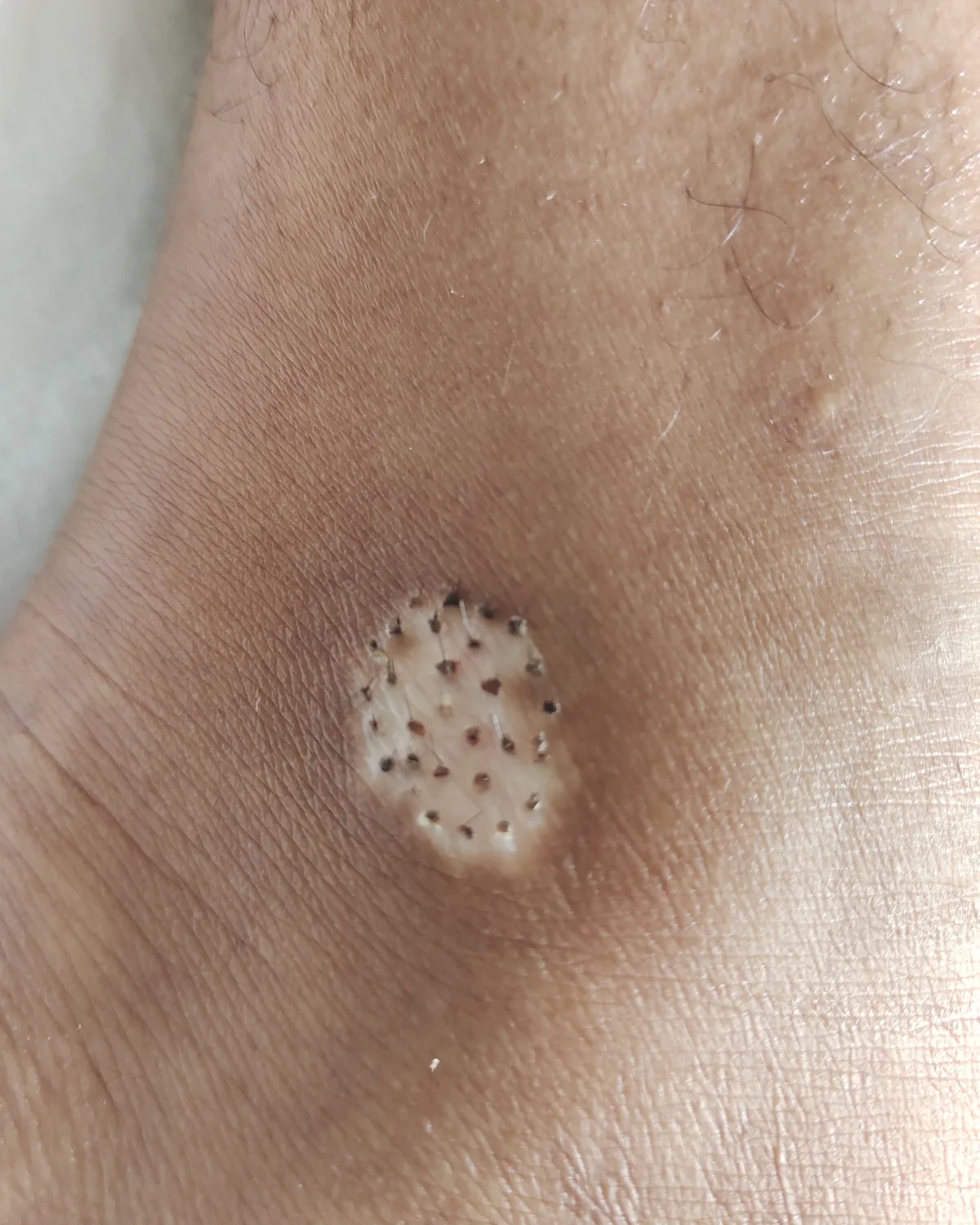
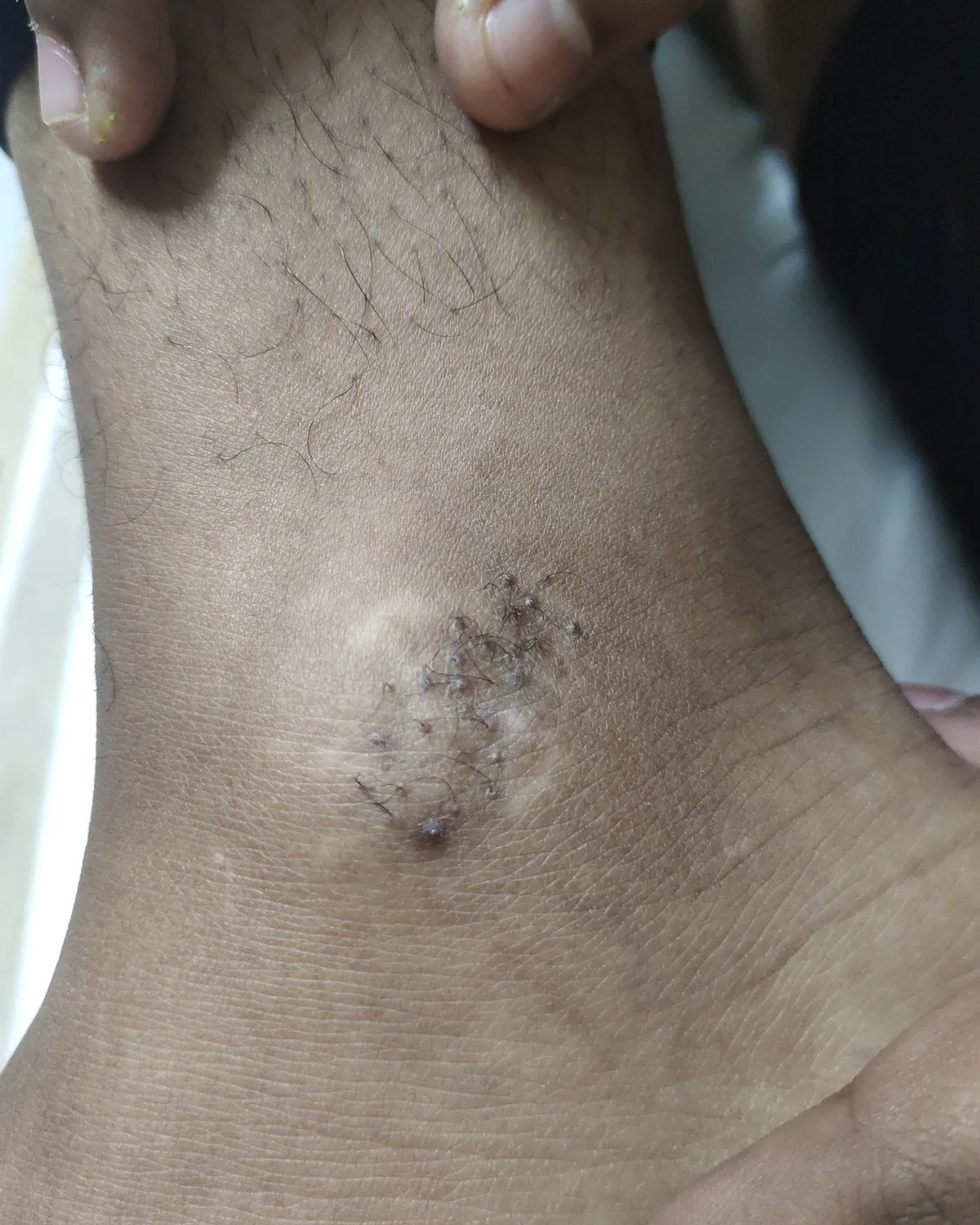
Pigment cells survive in hair follicles even when they are gone from the surrounding skin, and repigmentation usually starts as small dark dots around each hair. If the hairs inside a patch have turned white too, that reservoir is depleted — which is why those patches respond poorly to creams and light, and why surgery exists.

Treatments

What each treatment does — and who it suits

There is no single vitiligo treatment. There is a sequence, and where you enter it depends on activity, site and duration.

TreatmentWhat it doesBest suited to
Topical steroidsSuppresses the immune attack; halts spreadRecent, active, limited patches
Calcineurin inhibitorsImmune-modulating without steroid thinningFace, eyelids, folds — thin skin
Topical JAK inhibitorsBlocks the specific immune signal in vitiligoFacial and limited non-segmental disease
NB-UVB phototherapyStimulates surviving melanocytes to repopulateWidespread disease; the workhorse treatment
Excimer laserTargeted high-dose light on individual patchesFew, small, localised patches
Oral mini-pulse steroidsArrests rapidly progressing diseaseActively spreading vitiligo
Melanocyte transplantMoves your own pigment cells into the patchStable disease only, 12 months quiet
Punch / blister graftingTransplants pigmented skin fragmentsSmall stable patches, lips, extremities

Nothing on this list cures vitiligo. Each is a way of stopping the disease, restoring colour, or both — and most patients need more than one.

The sequence

How treatment is actually ordered

Stop the spread

Active disease is quietened first — usually topicals, sometimes a short oral course. Repigmenting skin while new patches appear is running up a down escalator.

Repigment medically

Phototherapy, targeted light and topicals, given long enough to judge. Six to eight weeks is a check, not a verdict; three to six months is a verdict.

Reassess what’s left

Some patches recolour fully, some partially, some not at all. What remains after a proper medical trial is what surgery is for.

Operate only if stable

Grafting into active disease fails and can trigger new patches at the donor site. Twelve quiet months is the threshold.

The differentiator

Surgical repigmentation, which most centres don’t offer.

Melanocyte transplant and punch grafting move your own pigment cells into skin that has none left. For stable patches on hands, lips and other stubborn sites, it is often the only thing that will work.

It requires an operating list, the skill to harvest and place cells, and the judgement to refuse patients whose disease is not stable. This practice has done it for decades — and it began life as a vitiligo hospital, which is why.

How graft surgery works

Stability is the gate

No new patches, no expansion, no koebnerisation for twelve months. Being told to wait is a common answer.

Patients travel for it

Send photographs before booking travel. A video consultation can settle whether the trip is worth making.

Read next

The rest of this section

Understanding your vitiligo

  • Types and stages — segmental, non-segmental, stable, unstable
  • Vitiligo in children
  • Diet, myths and what actually has evidence

The treatments in detail

  • Narrowband UVB phototherapy
  • Excimer laser
  • Graft surgery and melanocyte transplant

Practical

  • What treatment costs
  • Online consultation from anywhere in India
  • Vitiligo treatment in Hyderabad
Questions patients actually ask

Vitiligo questions

Can vitiligo be cured?

No. No treatment available anywhere cures vitiligo, and any clinic promising a cure is making a claim it cannot support.

What treatment does reliably achieve is stopping the spread, and repigmenting a significant proportion of affected skin in many patients — particularly on the face and trunk, and particularly when treated early.

Is vitiligo contagious?

No. It is an autoimmune condition, not an infection. It cannot spread by touch, by sharing food, by using the same towel, or by any other contact.

Will it spread to the whole body?

Usually not. Most vitiligo remains limited, and the pattern in the first year or two is broadly predictive. A minority does progress widely, which is precisely why active disease is treated promptly rather than watched.

How long does treatment take to show a result?

Facial patches often show the first specks of colour within two to three months of consistent phototherapy. Hands and feet may take much longer or not respond at all. Six to eight weeks is the first review, not the deadline.

Does diet cause vitiligo, or fix it?

No food causes vitiligo, and no diet has been shown to reverse it. The advice about avoiding citrus, milk and sour foods together is folklore with no evidence behind it. Eating well matters; a restrictive diet does not.

Is vitiligo linked to other diseases?

It can be. Thyroid disease is the most common association, which is why thyroid function is usually checked at the first visit. Diabetes and pernicious anaemia are less frequent associations.

Can vitiligo come back after it repigments?

Yes, it can. Repigmented skin can lose colour again, particularly if treatment stops abruptly or the disease reactivates, which is why maintenance and review continue after the visible result.


The first appointment is a diagnosis.

Not a treatment plan sold on the spot. Message the clinic and bring your history.

Book on WhatsApp Call